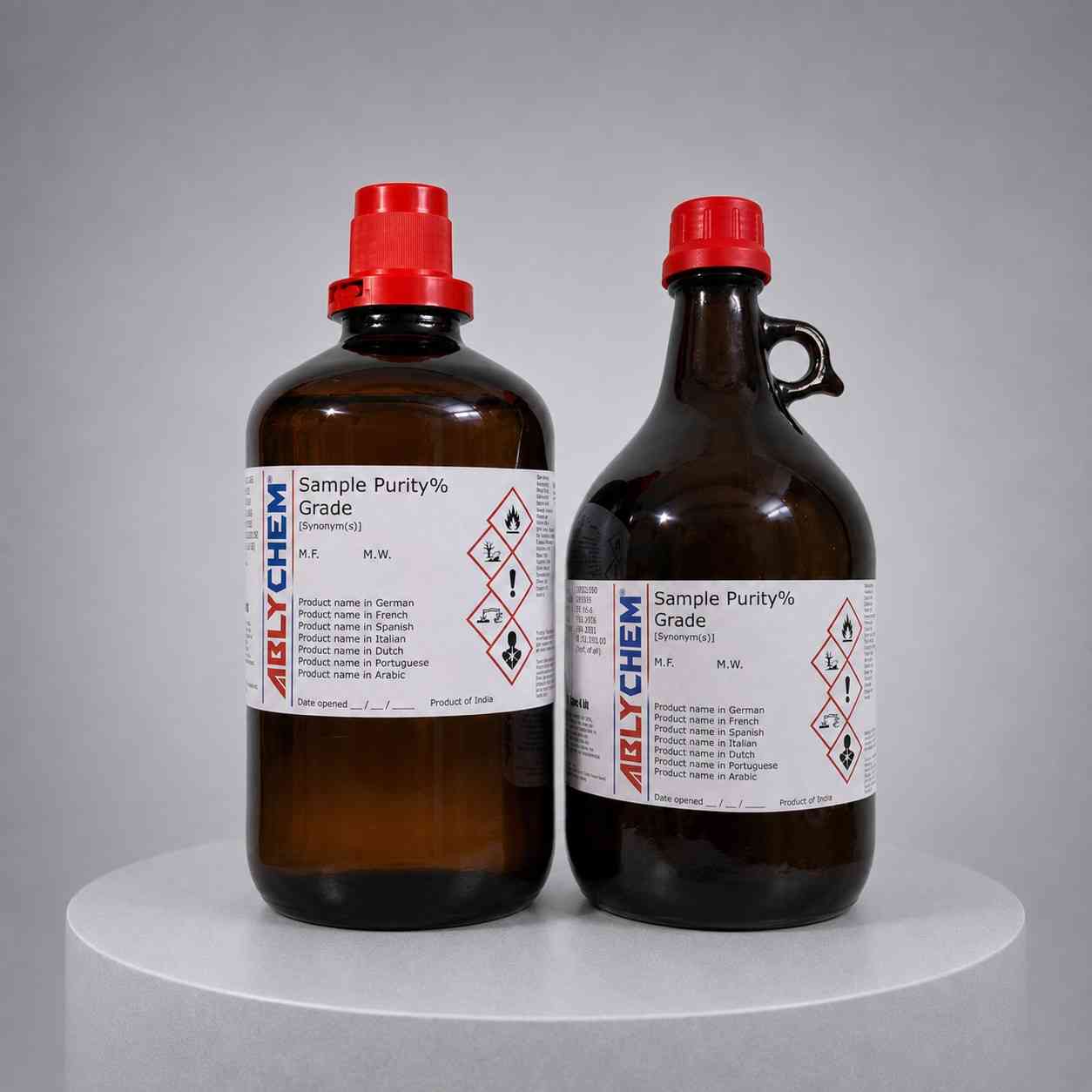
Basic information about this product
Safety and hazard classification
 GHS05
GHS05
Important safety instructions and precautions
Signal Word: Danger
UN No.: 1830
IMCO Class No.: 8
Packing Group: II
Hazardous Statement: H314
Precaution Statement: P280-P305 + P351 + P338-P310
Detailed information about the product
Product Overview
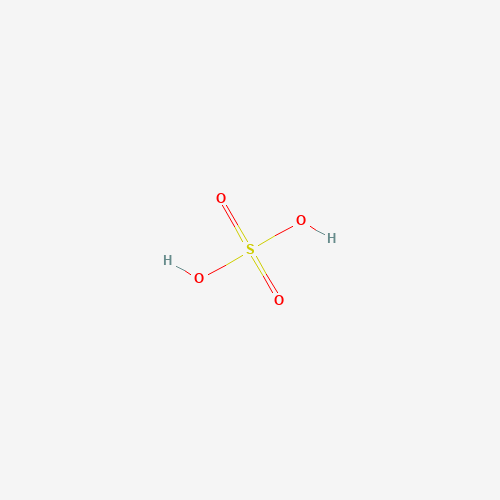
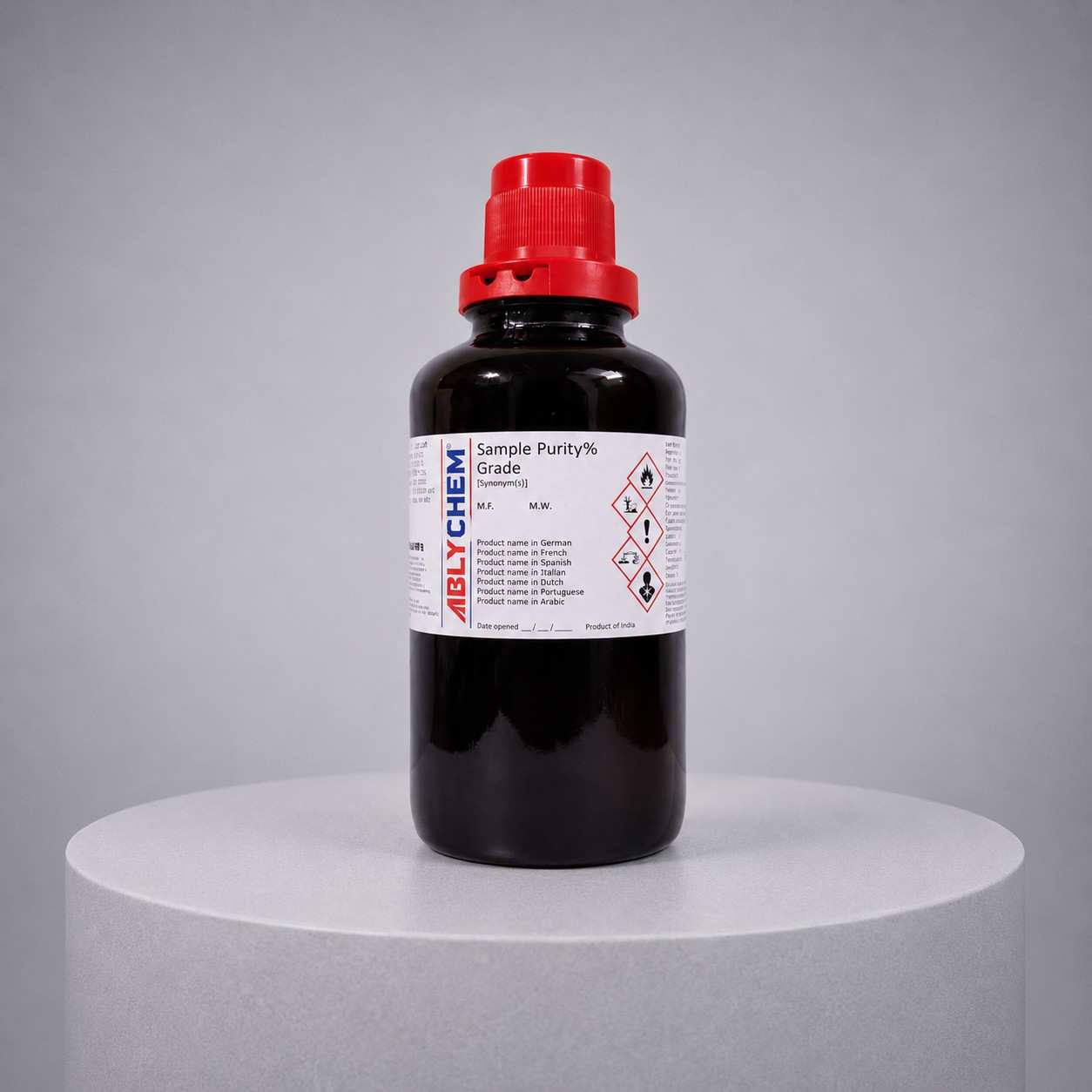
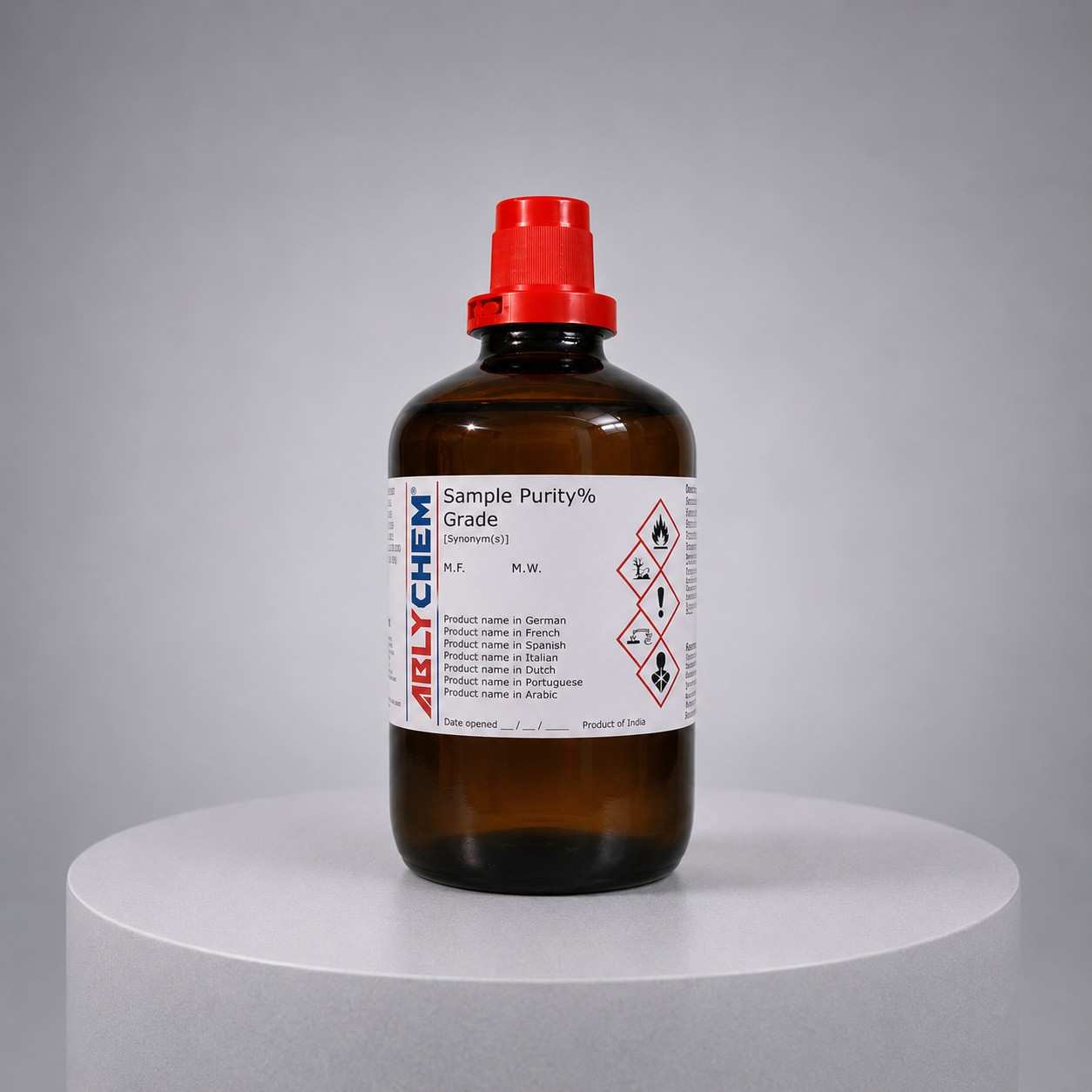
Sulphuric Acid 96% ACIPUR For Trace Metal Analysis (CAS No. 7664-93-9) is sulphuric acid supplied at the stated 96% strength for trace-metal analytical workflows requiring controlled reagent background. The acid provides strong protonating and digestion conditions and can be used to establish sulphate-containing matrices for sample decomposition or preparation where the chosen instrumental or wet-chemical method is compatible. The concentration basis is not inferred beyond the submitted 96% designation.
The ACIPUR trace-metal-analysis grade is intended to minimise contribution of metallic contaminants from the acid itself during trace-level sample preparation, digestion, blank preparation and matrix adjustment. It is relevant to AAS, ICP-OES, ICP-MS and related elemental techniques only where sulphuric acid is appropriate to the specific method and analytes.
Typical Applications
Common Synonyms
Storage Conditions
Keep tightly closed to minimise moisture exchange and environmental contamination that could compromise concentration or trace-metal cleanliness. Use dedicated clean dispensing practices appropriate to trace-element work to minimise introduction of metallic and particulate contaminants.