Basic information about this product
Safety and hazard classification
 NO GHS
Important safety instructions and precautions
Signal Word: N/A
UN No.: N/A
IMCO Class No.: N/A
Packing Group: N/A
Hazardous Statement: N/A
Precaution Statement: N/A
Detailed information about the product
Product Overview
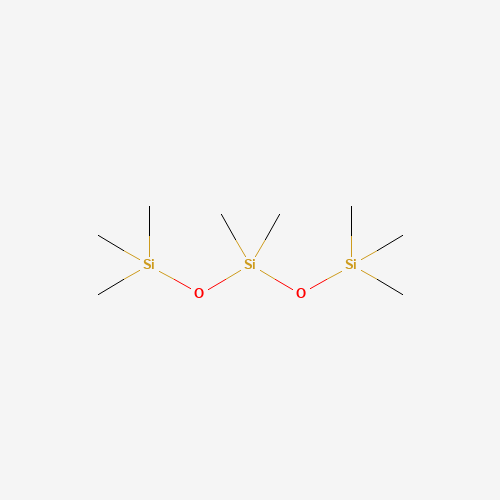
Silicone Oil (Lab) (CAS No. 63148-62-9) is a laboratory silicone fluid based on polydimethylsiloxane-type polymeric material. The siloxane backbone provides chemical and thermal characteristics distinct from hydrocarbon oils, while the methyl-substituted polymer structure gives the fluid low chemical reactivity toward many routine laboratory materials and useful heat-transfer behaviour. Because CAS No. 63148-62-9 covers polymeric silicone-fluid material rather than one discrete molecular species, no molecular-weight distribution or viscosity is inferred.
This laboratory product is specifically designated for use in oil baths up to 250°C in accordance with the submitted product instruction. Its role is to provide a fluid heat-transfer medium for controlled laboratory heating rather than to function as a synthetic reagent.
Typical Applications
Common Synonyms
Storage Conditions
Keep tightly closed and protect from dust, water and chemical contamination that could alter fluid cleanliness or heat-transfer behaviour. Avoid mixing with other bath fluids or degraded residues where reproducible laboratory heating performance is required.