Basic information about this product
Safety and hazard classification
 NO GHS
Important safety instructions and precautions
N/A
Detailed information about the product
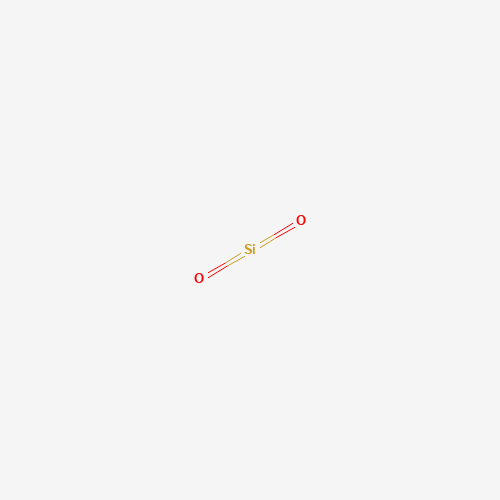
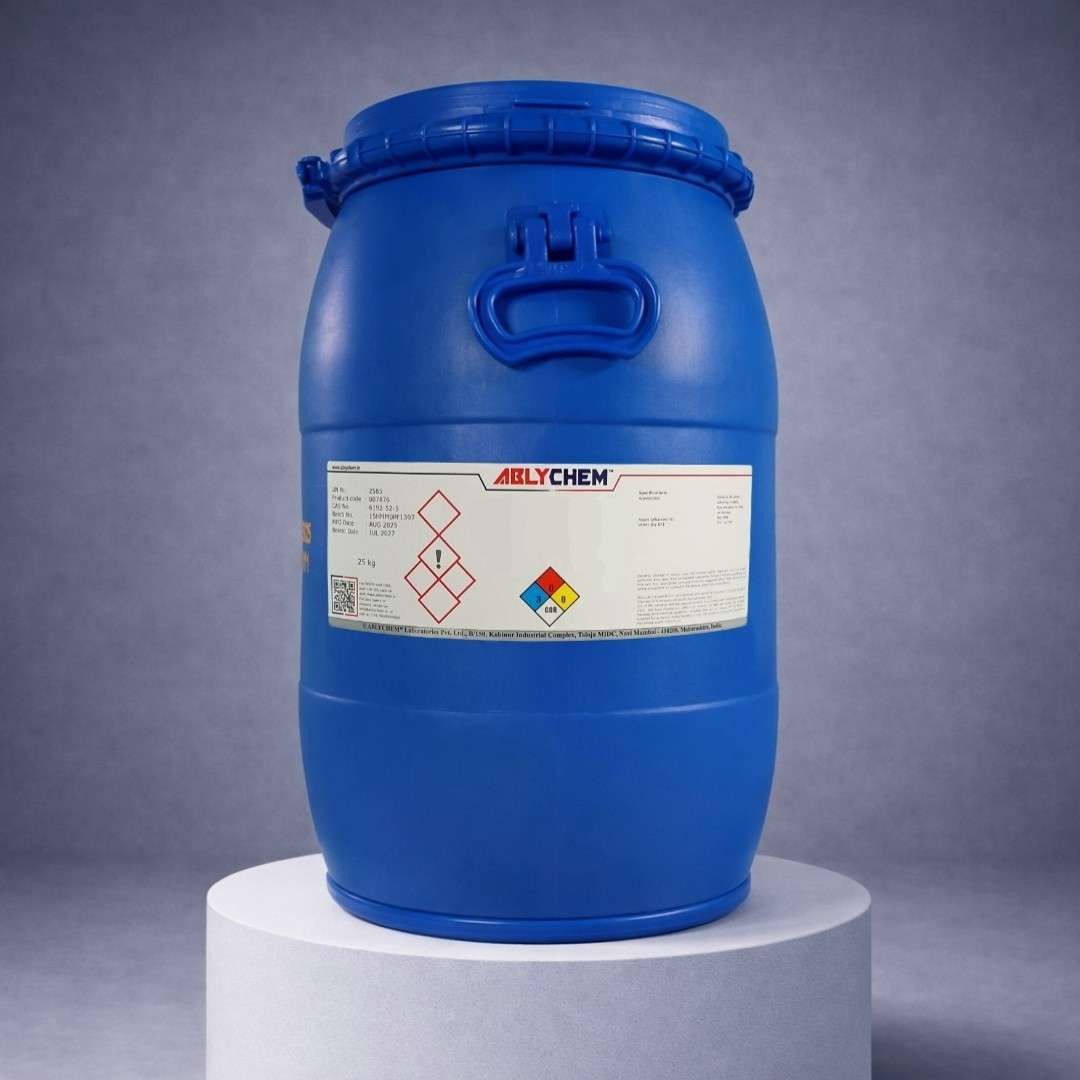
Silica Gel 70-230 mesh For Column Chromatography (CAS No. 112926-00-8) is a porous amorphous silica stationary phase supplied across the specified 70-230 mesh fraction. Its polar, silanol-bearing surface supports differential adsorption of organic compounds and enables normal-phase separation through controlled competition between analytes and eluting solvents. The relatively broad particle distribution can provide practical packing and flow behaviour for conventional preparative columns.
The 70-230 mesh product is intended for routine gravity and low-pressure preparative chromatography requiring a versatile silica adsorbent. It is suitable for fractionation, reaction-mixture cleanup and purification of compounds spanning a range of polarities. Mesh designation is treated purely as the submitted particle classification; pore size, surface area, pressure rating and resolution are not inferred.
Keep tightly sealed and dry to minimise adsorption of atmospheric water, which can modify chromatographic activity. Protect the silica from organic vapours, particulate contamination and chemical residues that could occupy adsorption sites or elute into collected fractions.