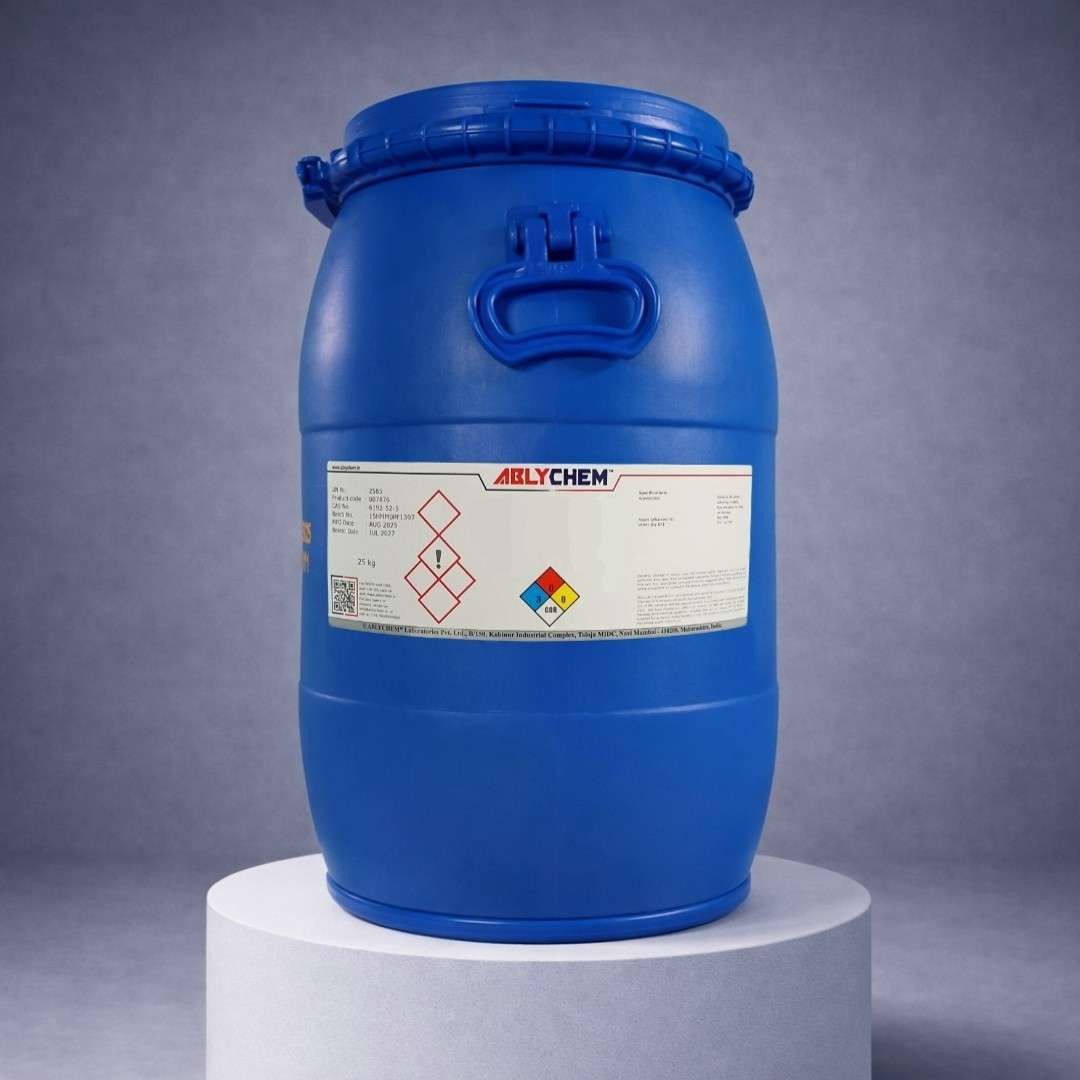
Basic information about this product
Safety and hazard classification
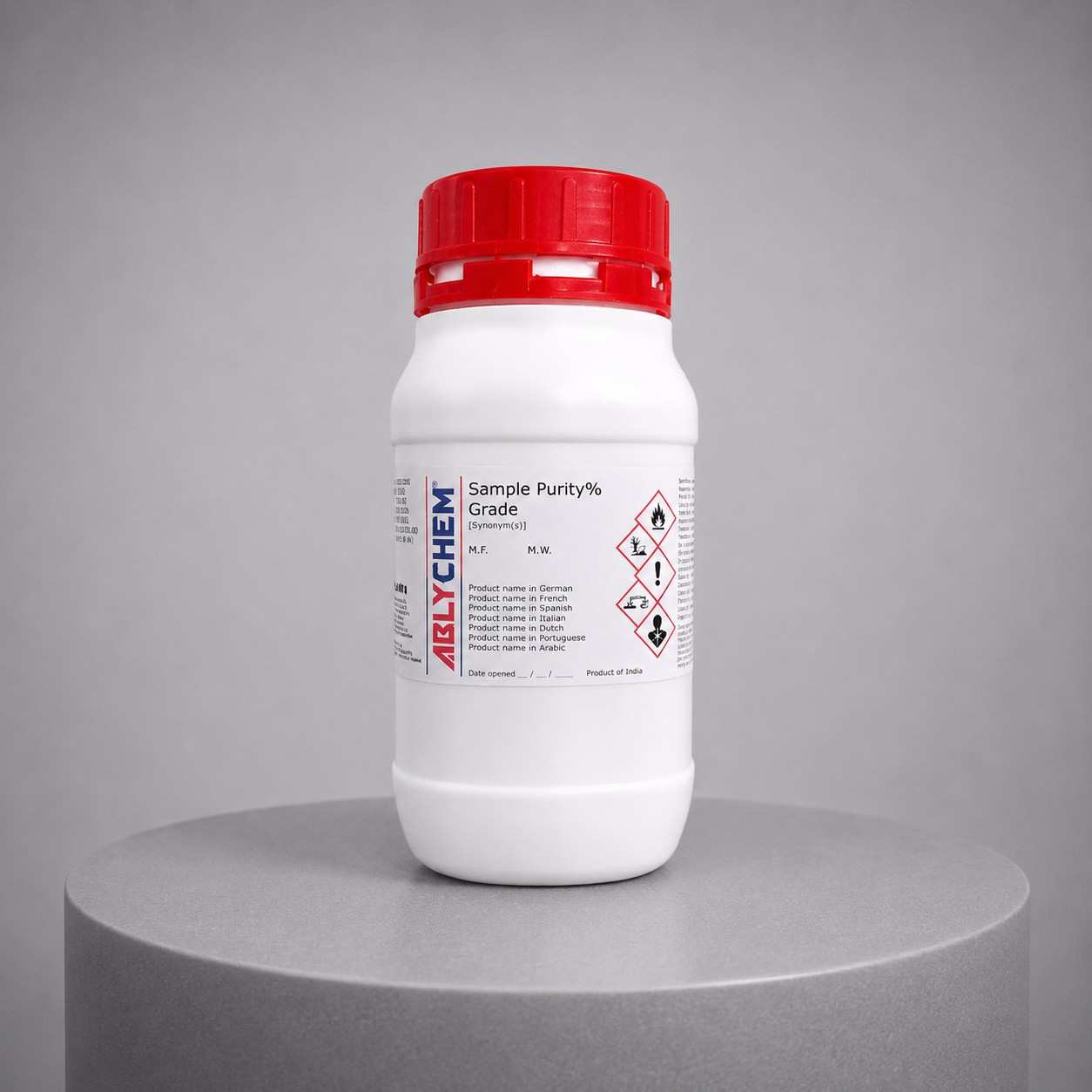
 GHS07
GHS07
Important safety instructions and precautions
Signal Word: Warning
UN No.: 2585
IMCO Class No.: 8
Packing Group: III
Hazardous Statement: H315-H319-H335
Precaution Statement: P261-P302+P352-P304+P340-P305+P351+P338
Detailed information about the product
Product Overview
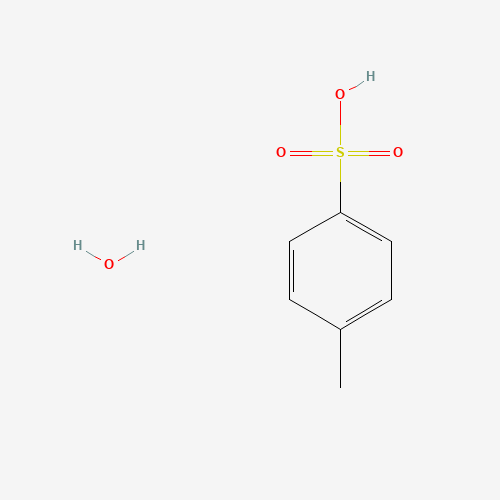
p-Toluene Sulphonic Acid Monohydrate 99% AR (CAS No. 6192-52-5) is a hydrated strong organic acid reagent based on 4-methylbenzenesulphonic acid. Its strongly acidic sulphonic-acid group supports proton-transfer, neutralisation and acid-catalysed analytical chemistry, while the defined monohydrate form must be respected during mass-based reagent preparation. Unlike volatile mineral acids, the solid reagent provides a convenient source of strong organic acidity.
The AR grade is intended for conventional acid–base studies, preparation of acidic analytical reagents, non-aqueous acidity investigations and laboratory quality control. Its solid organic-acid character is useful in reagent formulation, protonation studies and method-specific acid-catalysed analytical procedures.
Typical Applications
Common Synonyms
Storage Conditions
Keep tightly closed and protect from uncontrolled moisture exchange to preserve the monohydrate composition. Use clean analytical handling and avoid alkaline contamination that could alter effective acidity.