
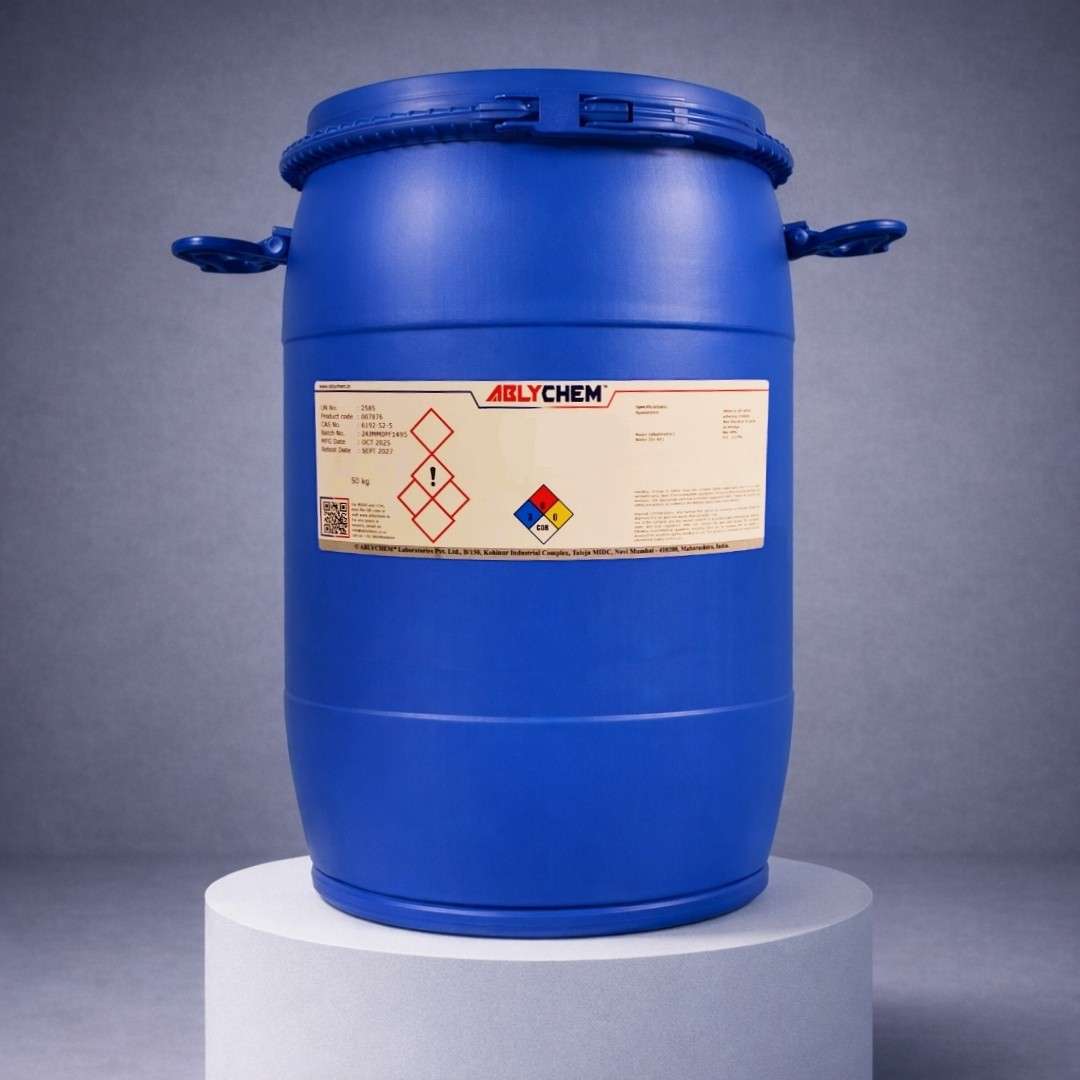
Basic information about this product
Safety and hazard classification
 GHS07
GHS07
Important safety instructions and precautions
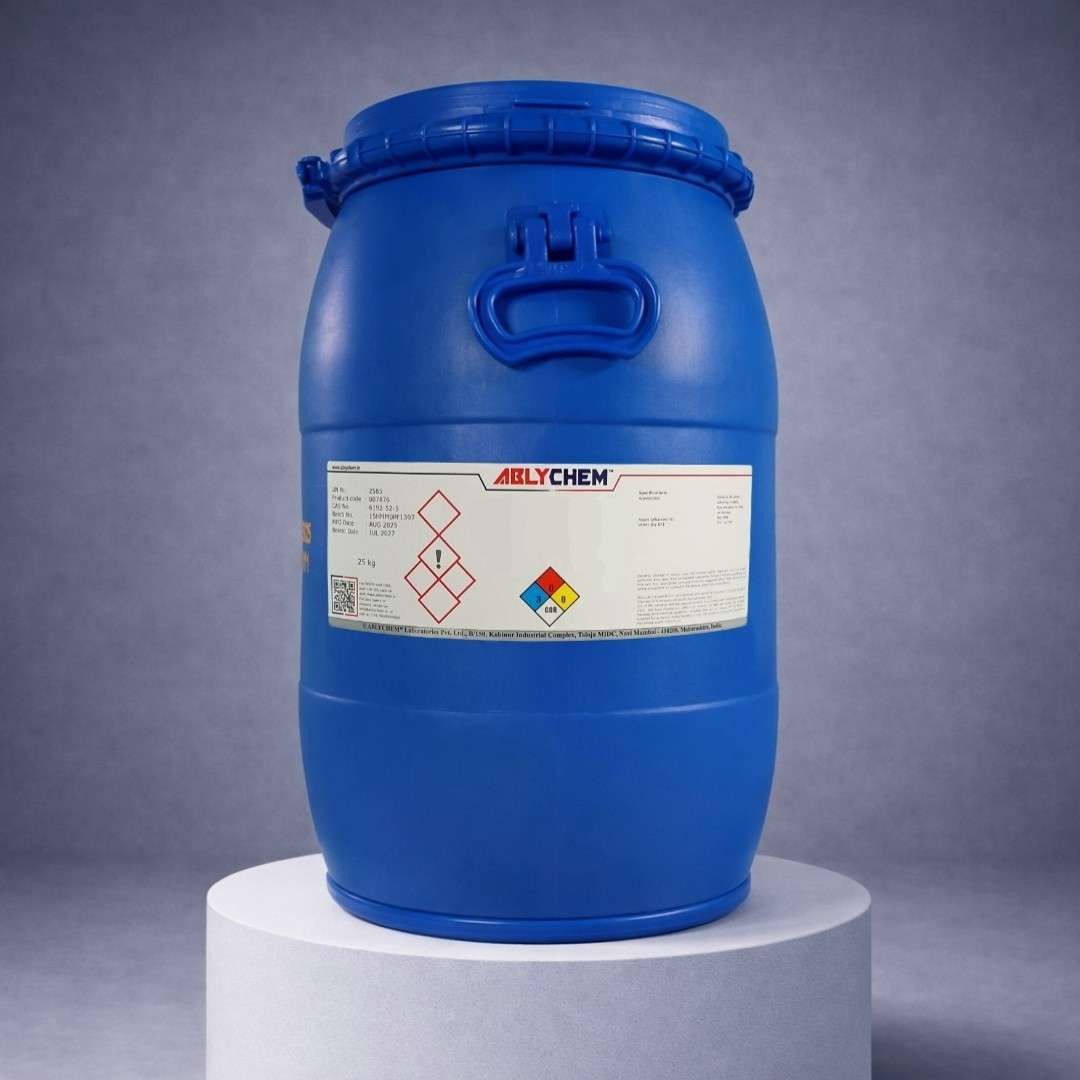
Signal Word: Warning
UN No.: 2585
IMCO Class No.: 8
Packing Group: III
Hazardous Statement: H315-H319-H335
Precaution Statement: P261-P302+P352-P304+P340-P305+P351+P338
Detailed information about the product
Product Overview
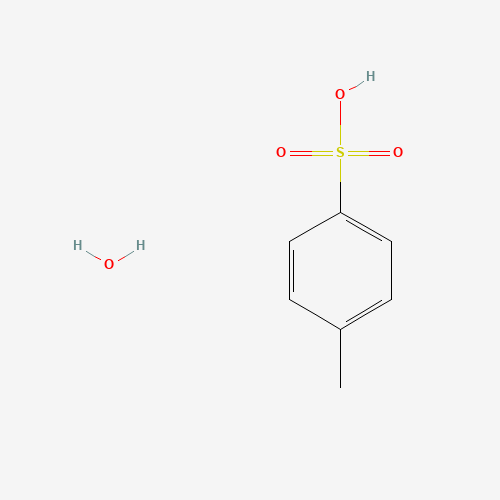
p-Toluene Sulphonic Acid Monohydrate 98% For Synthesis (CAS No. 6192-52-5) is the monohydrate of 4-methylbenzenesulphonic acid, a strong aromatic sulphonic acid combining high Brønsted acidity with an organic aromatic framework. Its sulphonic-acid group readily protonates suitable substrates and forms sulphonate salts, while the para-methyl substituent distinguishes it from other toluenesulphonic-acid positional isomers. The monohydrate state is integral to the exact catalogue identity.
The Synthesis grade is intended for acid-catalysed organic transformations, preparation of p-toluenesulphonate salts and general preparative chemistry. Its strong organic acidity is particularly useful in esterification, acetalisation, condensation, dehydration and other transformations requiring a soluble non-oxidising Brønsted acid catalyst.
Typical Applications
Common Synonyms
Storage Conditions
Store tightly closed and protect from uncontrolled moisture exchange so that the monohydrate composition remains suitable for reproducible preparation. Prevent alkaline contamination that could partially neutralise the sulphonic acid.