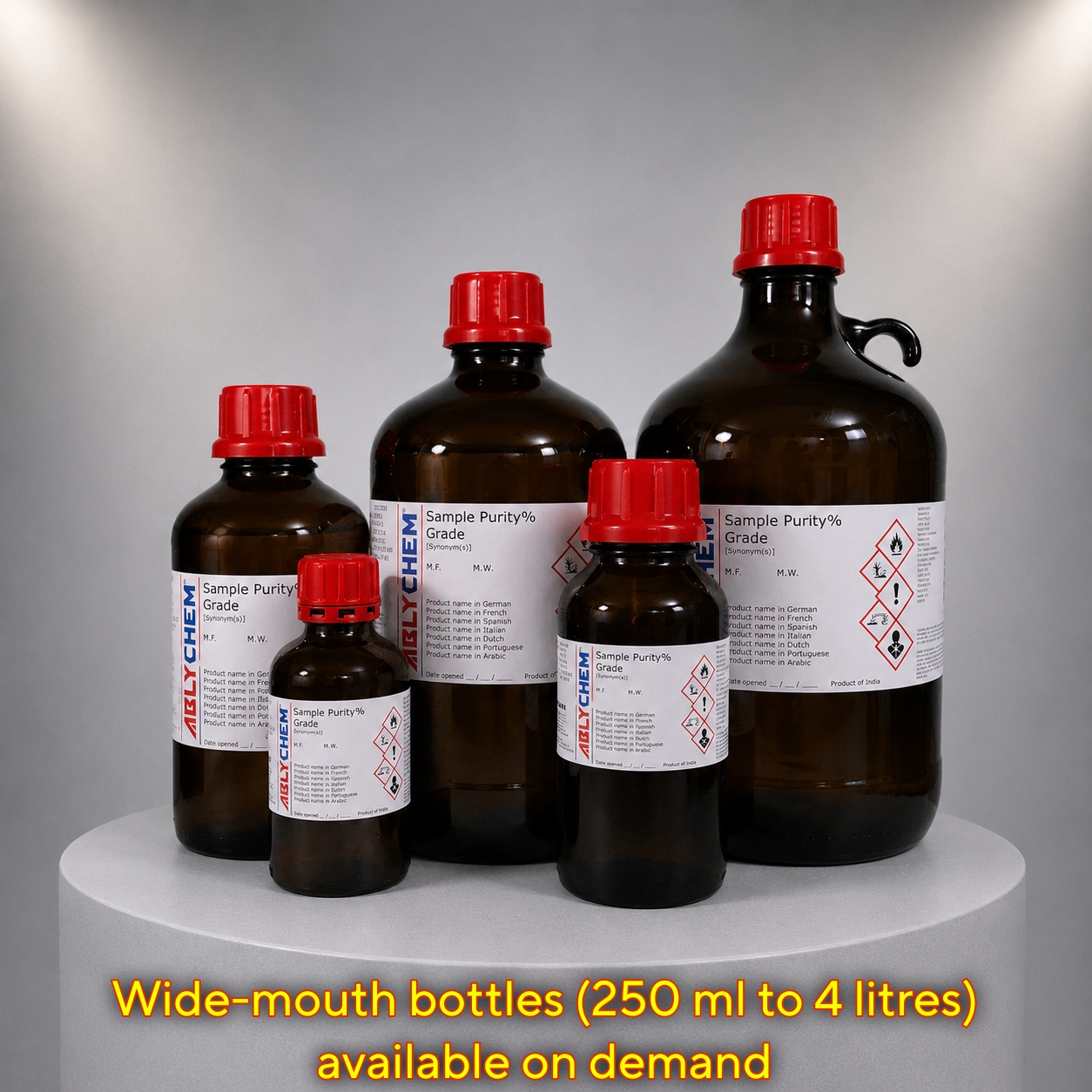
Basic information about this product
Safety and hazard classification
 GHS02
GHS02
 GHS07
GHS07
Important safety instructions and precautions
Signal Word: Danger
UN No.: 1219
IMCO Class No.: 3
Packing Group: II
Hazardous Statement: H225-H319-H336
Precaution Statement: P210-P261-P305 + P351 + P338
Detailed information about the product
Product Overview
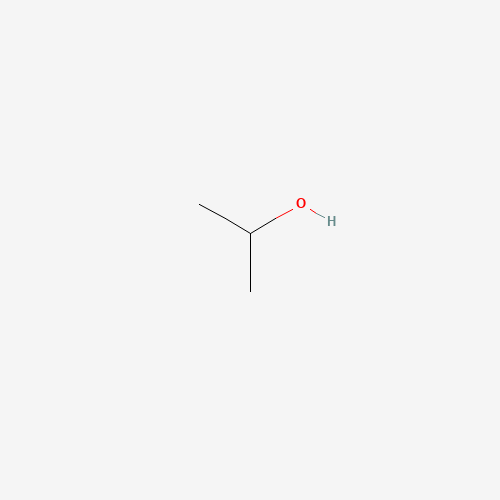
iso-Propyl Alcohol 99.8% For HPLC & UV Spectroscopy (CAS No. 67-63-0) is 2-propanol, a polar protic organic solvent used as a chromatographic modifier and as a solution medium in optical measurements where its spectral background is compatible with the selected analytical region. Its secondary-alcohol structure combines hydrogen-bonding capacity with greater hydrophobic character than methanol or ethanol, providing a distinct solvent-selectivity profile in liquid chromatography.
The HPLC & UV Spectroscopy grade is intended for mobile-phase preparation, chromatographic sample handling and ultraviolet spectroscopic work requiring controlled solvent background. Isopropanol is an established organic modifier in selected HPLC systems.
Typical Applications
Common Synonyms
Storage Conditions
Store tightly closed to minimise evaporation, moisture uptake and introduction of UV-active or non-volatile contamination. Limit prolonged exposure to air because peroxide formation can occur in isopropanol, particularly during extended storage or subsequent concentration of aged solvent.