
Basic information about this product
Safety and hazard classification
 GHS05
GHS05
 GHS06
GHS06
 GHS08
GHS08
Important safety instructions and precautions
Signal Word: Danger
UN No.: 2209
IMCO Class No.: 8
Packing Group: III
Hazardous Statement: H301-H311-H314-H317-H335-H341-H350-H370
Precaution Statement: P202-P260-P280-P303+P361+P353-P305+P351+P338-P304+P340+P310
Detailed information about the product
Product Overview
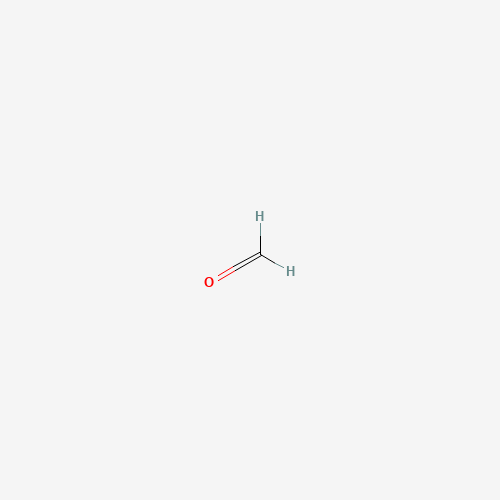
Formaldehyde Solution 37% For Molecular Biology (CAS No. 50-00-0) is an aqueous formaldehyde reagent based on formaldehyde, a highly reactive low-molecular-weight aldehyde that readily undergoes addition and condensation reactions with biological molecules. Its electrophilic carbonyl group enables formation of reversible and subsequent cross-linking interactions with proteins and nucleic-acid-associated components, which underpins its value in molecular and cellular research. In nucleic-acid procedures, formaldehyde also disrupts RNA secondary structure, allowing RNA molecules to be analysed under denaturing electrophoretic conditions.
The Molecular Biology grade is intended for preparation and use in established molecular and cellular biology procedures requiring formaldehyde in solution at the stated concentration. Important applications include formaldehyde–agarose gel electrophoresis for denaturing RNA, fixation of cells and biological specimens, and cross-linking workflows used to preserve molecular interactions before downstream analytical procedures. Formaldehyde solutions are also used in chromatin and protein–DNA interaction studies where controlled chemical fixation is required prior to immunoprecipitation or related molecular-analysis steps.
Typical Applications
Common Synonyms
Storage Conditions
Store tightly closed in a cool, well-ventilated area and protect the solution from excessive heat and unnecessary exposure to conditions that can accelerate degradation or polymerisation. Minimise evaporation, contamination and prolonged exposure to air during handling, and promptly reseal the container after dispensing to help maintain the intended solution composition and molecular-biology performance.