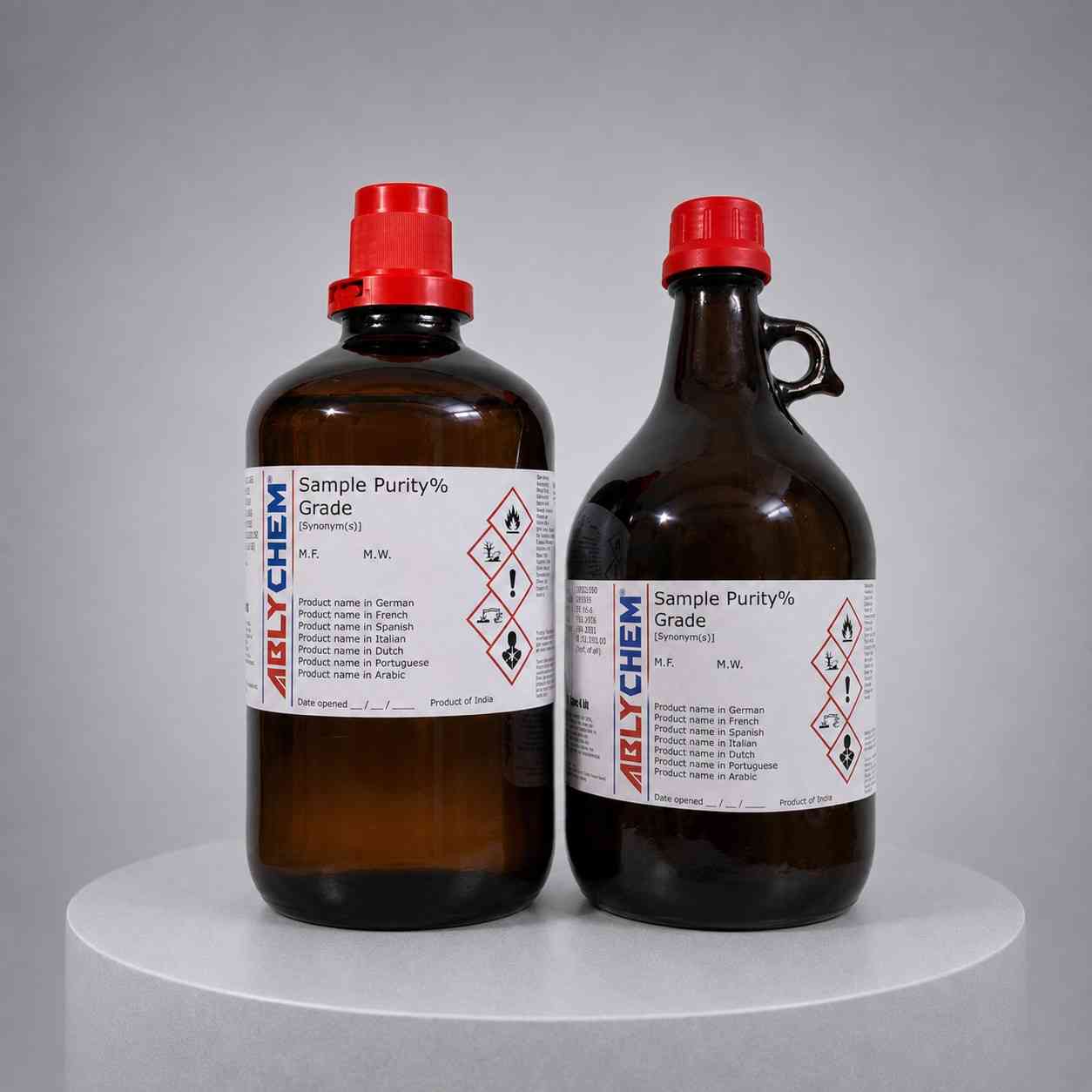
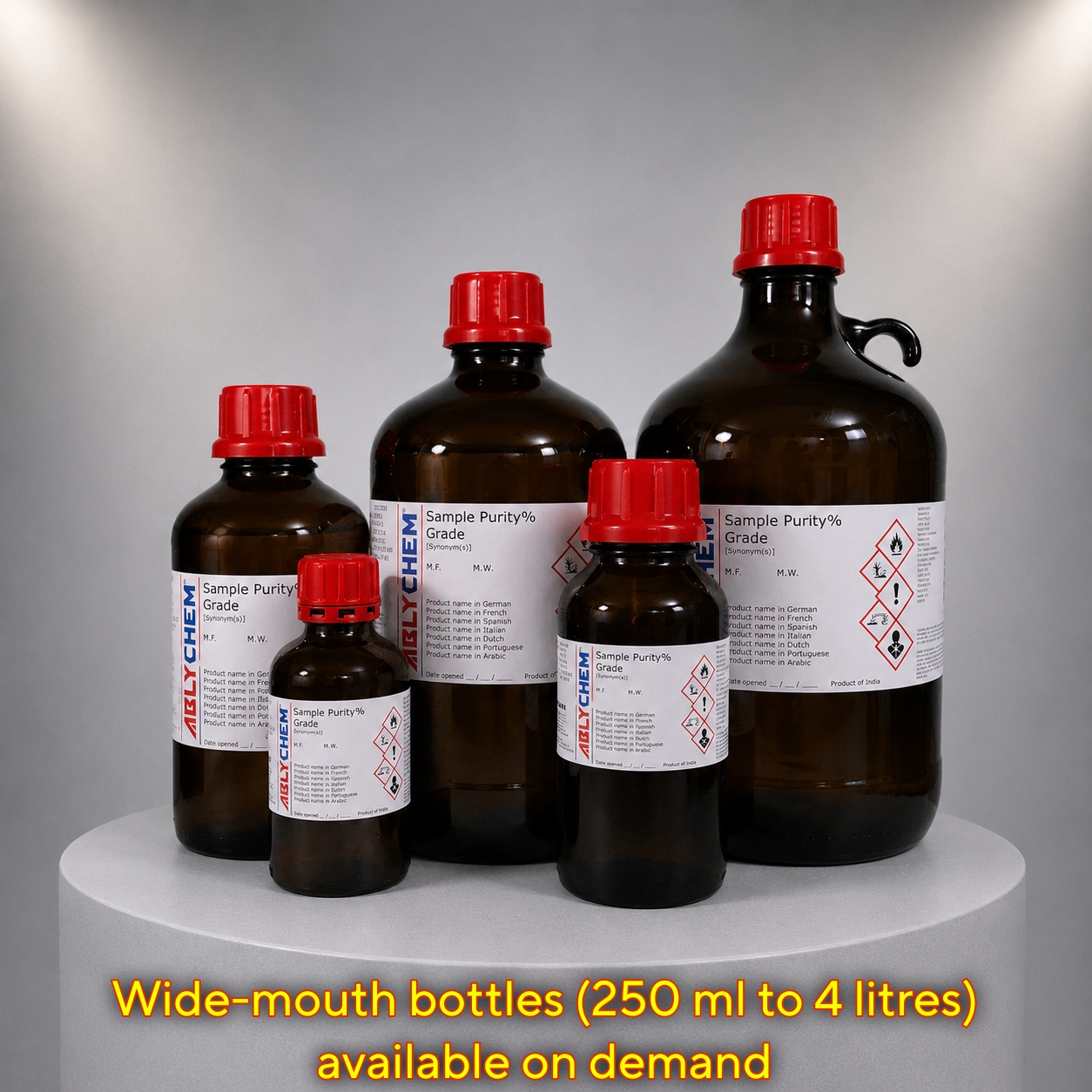
Basic information about this product
Safety and hazard classification
 GHS07
GHS07
 GHS08
GHS08
Important safety instructions and precautions
Signal Word: Warning
Hazardous Statement: H302 - H373
Precaution Statement: P301 + P312 + P330 - P314
Detailed information about the product
Product Overview
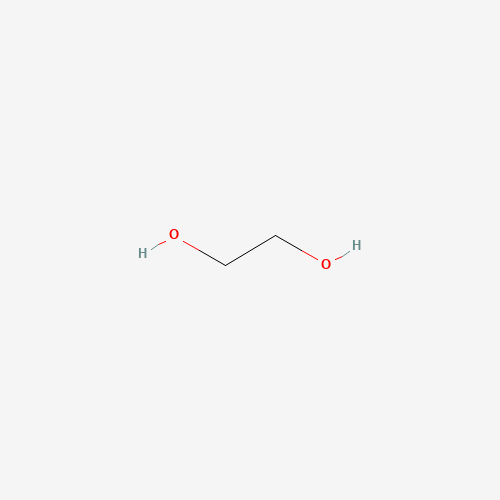
Ethanediol 99.5% AR (CAS No. 107-21-1) is a water-miscible vicinal diol whose adjacent hydroxyl groups provide strong hydrogen bonding and characteristic complexation and oxidation behaviour. Its polarity and comparatively low volatility make it useful as a stable liquid medium for analytical reagent preparation, sample dissolution and method-defined reactions involving polyhydroxy compounds.
The AR grade is intended for conventional analytical work in which ethylene glycol serves as a solvent, matrix component, working-solution constituent or reactive vicinal diol. It is suitable for the preparation of reagent and blank solutions, matrix-matched samples and analytical mixtures used in glycol determinations. Its response in oxidation-based procedures also supports method development and verification involving adjacent hydroxyl groups.
Typical Applications
Common Synonyms
Storage Conditions
Keep the container tightly sealed and protect from atmospheric moisture, excessive heat and analytical contamination. Use clean, dry sampling equipment and minimise repeated opening to preserve concentration, water contribution and reagent-blank quality.