Basic information about this product
Safety and hazard classification
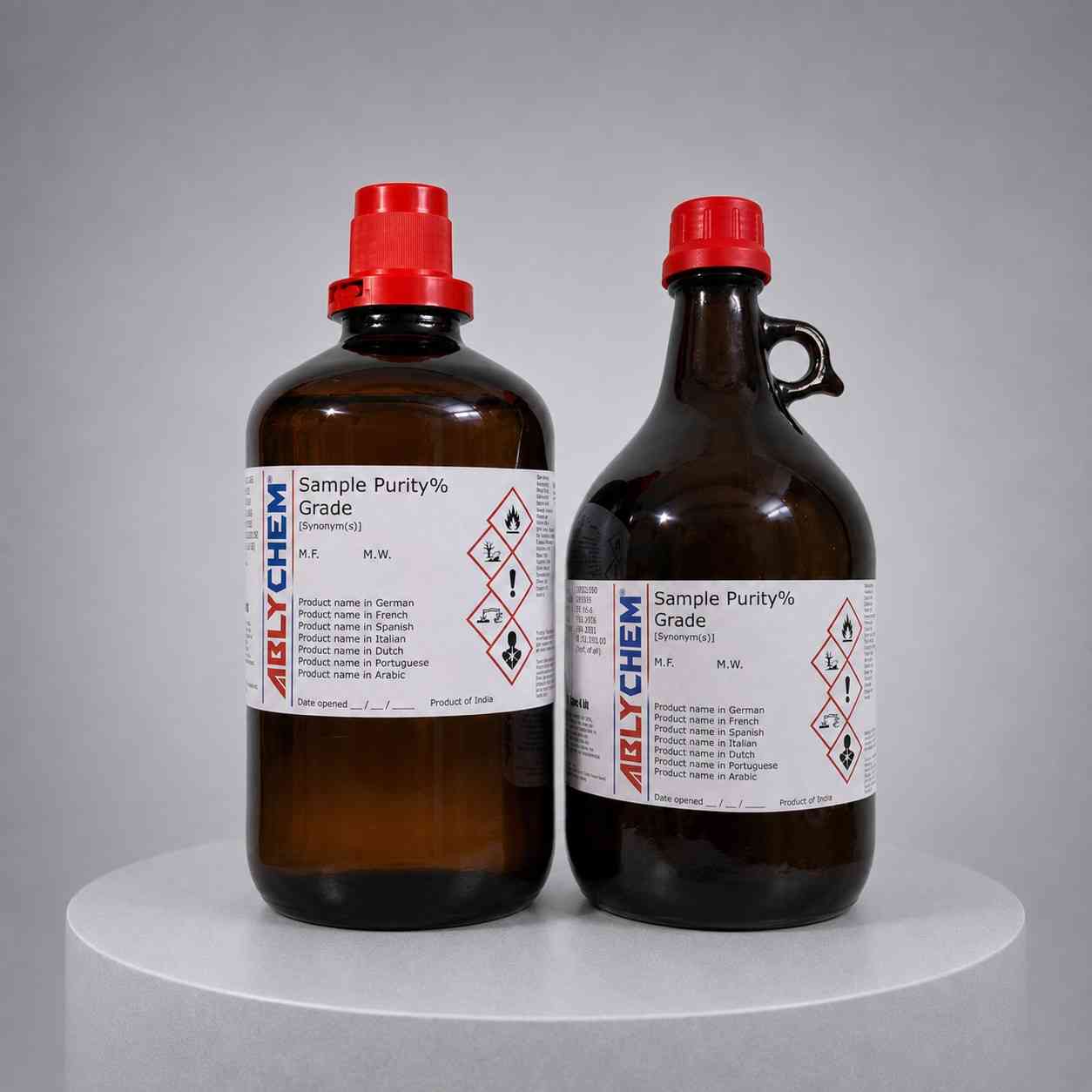
 GHS02
GHS02
 GHS05
GHS05
Important safety instructions and precautions
Signal Word: Danger
UN No.: 2789
IMCO Class No.: 8,3
Packing Group: II
Hazardous Statement: H226-H314
Precaution Statement: P280-P305 + P351 + P338-P310
Detailed information about the product
Product Overview
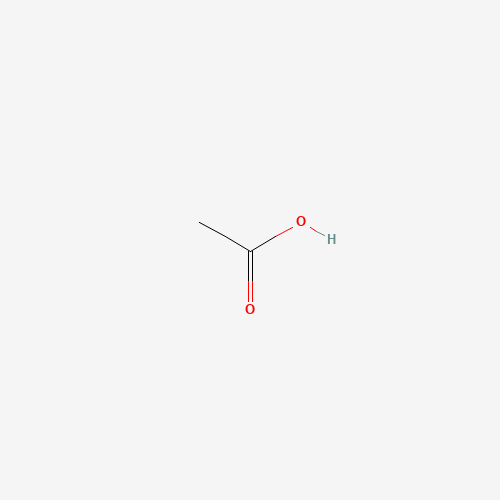
Acetic Acid Glacial 99.5% Extra Pure (CAS No. 64-19-7) is a high-purity, concentrated form of acetic acid containing minimal water content and is widely recognized as one of the most important organic acids used in laboratory and industrial chemistry. It is a clear, colourless liquid with a characteristic pungent odour and exhibits excellent miscibility with water, alcohols, ethers, and numerous organic solvents. Due to its acidic nature, favourable solvent properties, and broad chemical compatibility, glacial acetic acid serves as both a reagent and reaction medium in a wide range of laboratory procedures.
The Extra Pure grade is intended for routine laboratory applications, research activities, educational institutions, and general chemical synthesis where reliable purity and consistent performance are required. It is commonly employed as an acidifying agent, pH modifier, solvent, reagent, and reactant in analytical and preparative laboratories. The product is suitable for routine experimentation, formulation studies, quality control laboratories, and research involving organic and inorganic compounds.
Glacial acetic acid plays a significant role in organic synthesis owing to its ability to participate in esterification, acetylation, neutralization, and condensation reactions. It is extensively used in the preparation of acetate salts, esters, pharmaceutical intermediates, dyes, pigments, fragrances, polymers, and other specialty chemicals. In analytical laboratories, it is also utilized in buffer preparation, reagent formulation, sample treatment, and various experimental procedures where controlled acidity is essential. Its versatility and well-established chemical behaviour have made it one of the most widely used reagents in chemistry laboratories across academic, research, pharmaceutical, and industrial sectors.
Typical Applications
Common Synonyms
Storage Conditions
Store in a tightly closed container in a cool, dry, and well-ventilated place. Protect from moisture, excessive heat, and direct sunlight. Keep away from oxidizing agents, strong bases, and ignition sources. If crystallization occurs during storage below approximately 16.6°C, warm the container gently until the crystals dissolve completely before use. Keep the container tightly closed after each use to minimize moisture absorption.