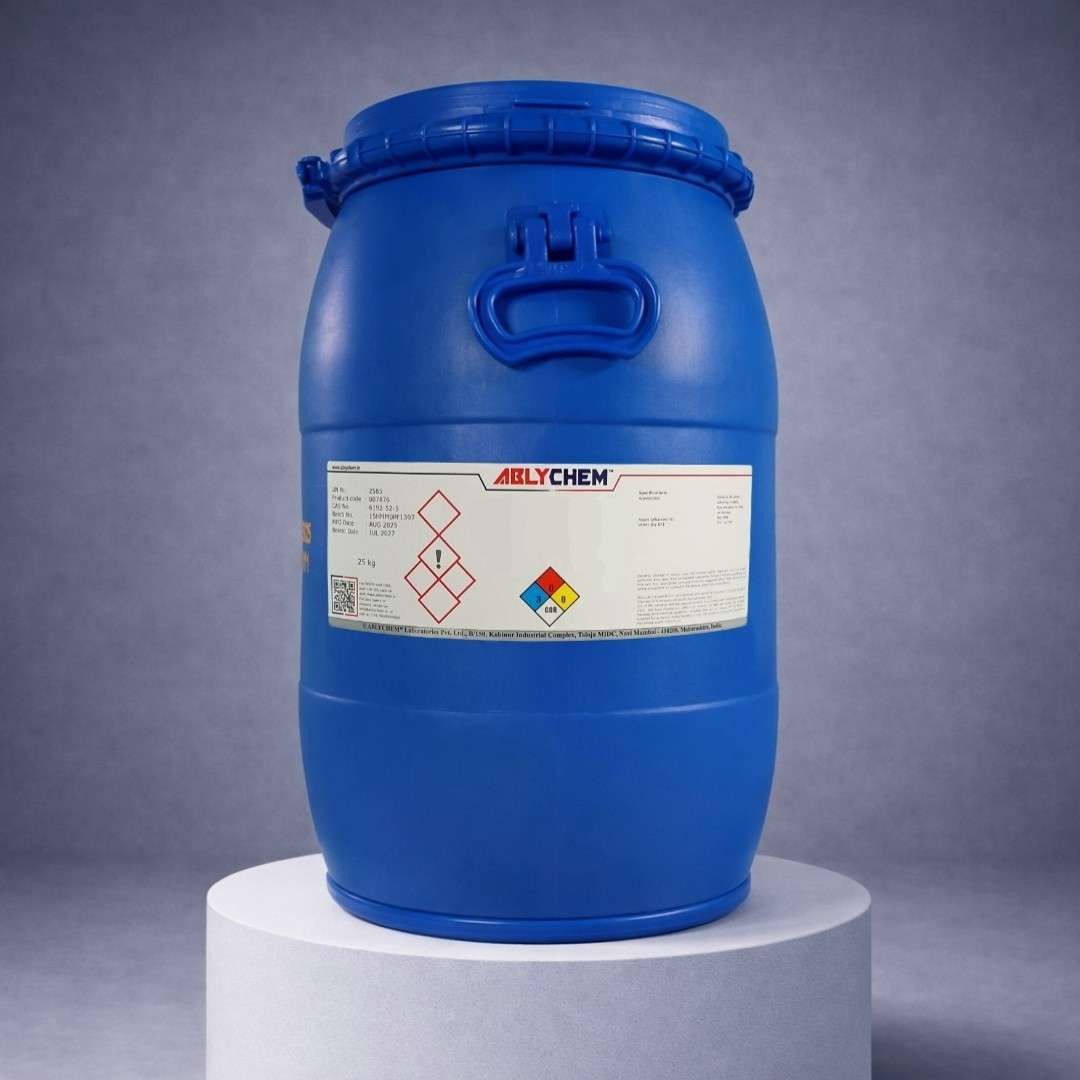
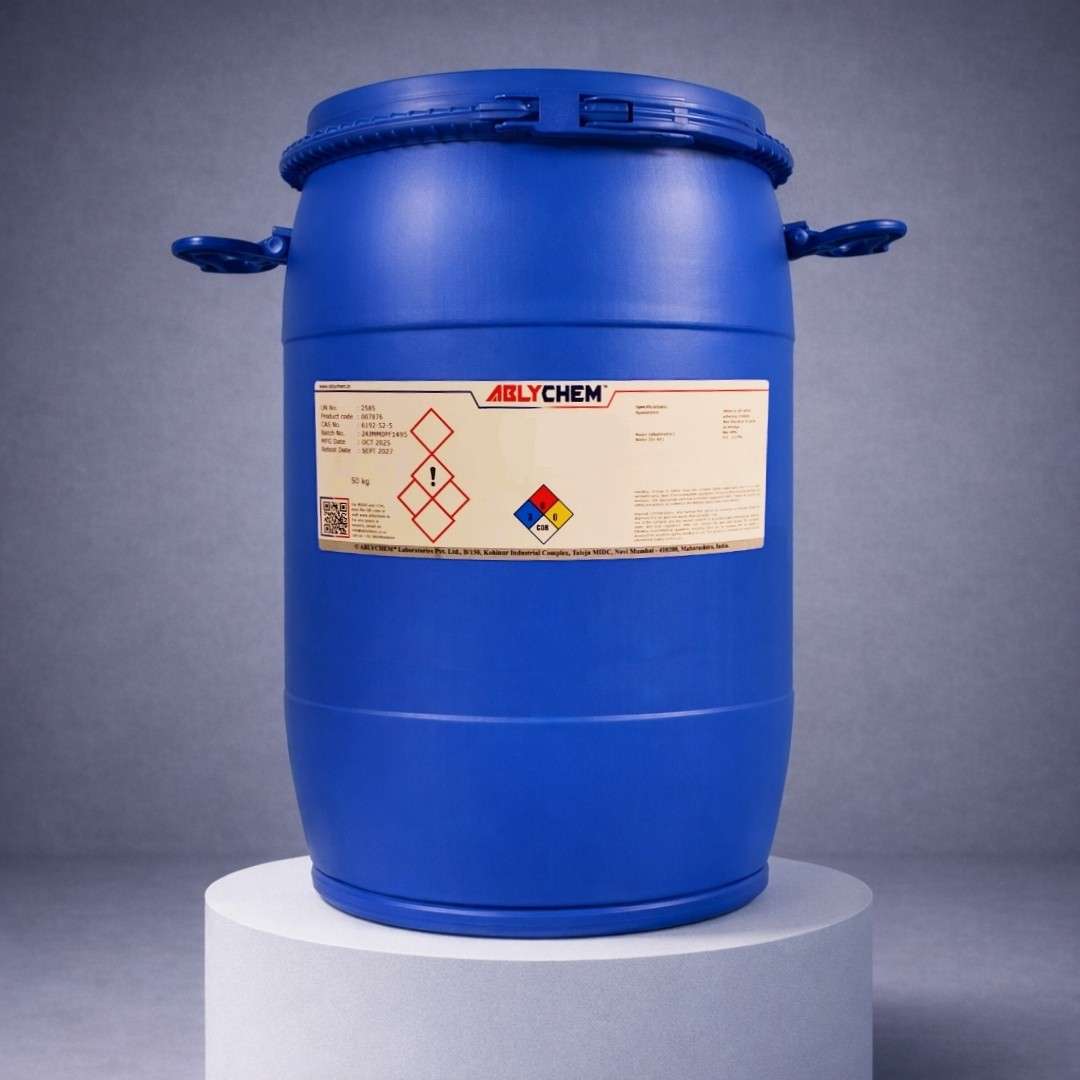
Basic information about this product
Safety and hazard classification
 GHS05
GHS05
 GHS07
GHS07
Important safety instructions and precautions
Signal Word: Danger
UN No.: 1813
IMCO Class No.: 8
Packing Group: II
Hazardous Statement: H302-H314
Precaution Statement: P280-P305 + P351 + P338-P310
Detailed information about the product
Product Overview
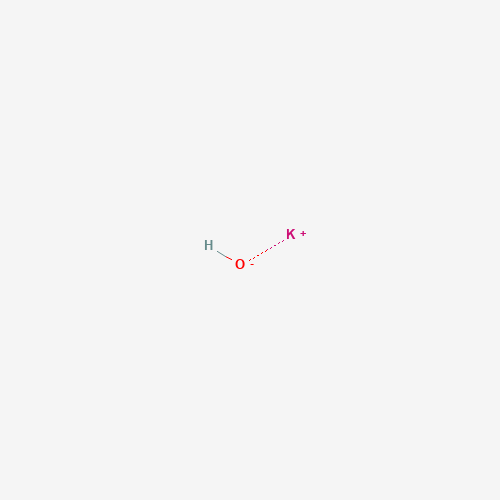
Potassium Hydroxide Pellets 85% AR (CAS No. 1310-58-3) is a pelletised form of the strong inorganic base potassium hydroxide. Dissolution provides highly alkaline solutions suitable for neutralisation, precipitation, digestion and numerous conventional analytical operations. Because solid potassium hydroxide rapidly interacts with atmospheric water and carbon dioxide, weighed material and prepared solutions can change composition if left exposed to air.
The AR grade is positioned for conventional wet chemistry, preparation of alkaline analytical reagents, laboratory QC and titrimetric work in which potassium hydroxide solutions are subsequently standardised as required.
Typical Applications
Common Synonyms
Storage Conditions
Keep tightly closed and minimise exposure to both humidity and atmospheric carbon dioxide. For analytical use, rapid dispensing and prompt resealing are important because moisture uptake and carbonate formation can change the effective hydroxide concentration and therefore affect subsequently prepared solutions.